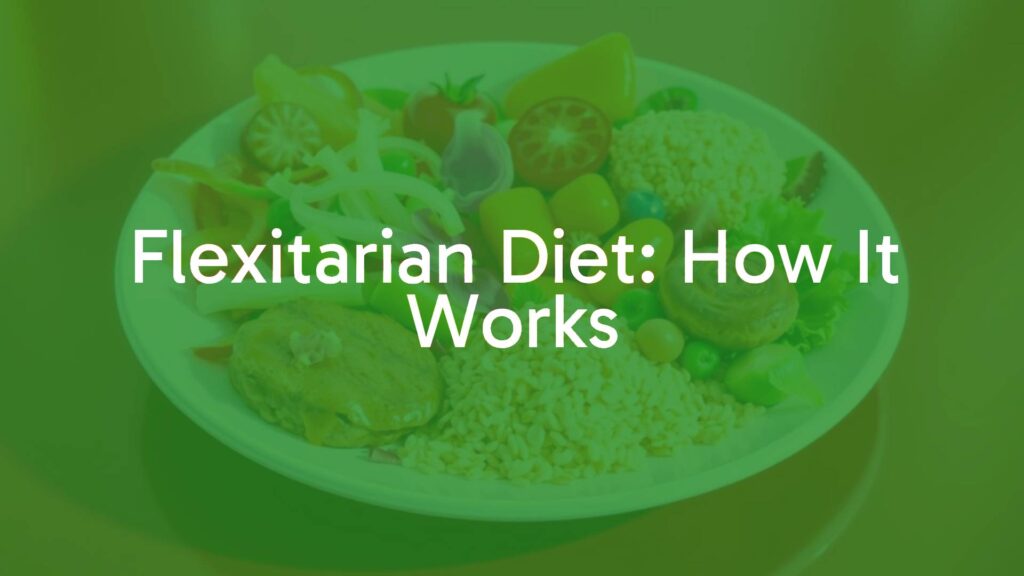
The flexitarian diet is a mostly plant-based way of eating that still allows you to enjoy meat and other animal products occasionally. This approach brings together the benefits of vegetarian eating but doesn’t fully cut out animal foods, so it’s an easier and more flexible option for many people. The idea behind the name “flexitarian” comes from combining “flexible” and “vegetarian.” Dietitian Dawn Jackson Blatner came up with this eating style to help people eat healthier by making gradual changes instead of strict rules.
Unlike diets that make you count every calorie or measure every nutrient, the flexitarian diet is more about the big picture. It suggests focusing on fruits, vegetables, beans, and whole grains, while cutting down on how often you eat meat. The best part is how flexible it is-it can fit most people’s tastes, beliefs, and health needs, letting you slowly move your meals toward more plants without strict limits.

What Is the Flexitarian Diet?
The flexitarian diet, sometimes called “casual vegetarianism,” means eating mostly plant foods but still having room for meat and other animal products from time to time. It’s a simple and appealing idea for people who want some of the health and environmental benefits of vegetarian or vegan eating but don’t want to give up animal foods completely. For many, going fully vegetarian feels too hard or not realistic, and the flexitarian style makes eating less meat much more manageable.
The main idea behind “flexitarian” is flexibility in how you eat within a mostly plant-based routine. Instead of focusing on what you need to avoid, the focus is on all the plant foods you can eat more often, encouraging a wider and less restrictive experience with food. This friendly way of looking at meals makes it easier to stick with in the long term.
How Is Flexitarian Different from Vegetarian and Vegan Diets?
The main difference among flexitarian, vegetarian, and vegan diets is how much they limit animal foods:
| Diet | Meat | Fish | Dairy | Eggs | Other Animal Products (e.g., honey) |
|---|---|---|---|---|---|
| Vegan | No | No | No | No | No |
| Vegetarian | No | No | Yes* | Yes* | Yes* |
| Flexitarian | Sometimes | Sometimes | Sometimes | Sometimes | Sometimes |
* Depends on the type: lacto-vegetarian (dairy only), ovo-vegetarian (eggs only), or lacto-ovo vegetarian (dairy and eggs)
Vegetarians avoid all meat, poultry, and fish, but often eat dairy and eggs. Vegans go farther, cutting out all animal products, even things like honey or certain processed foods with animal ingredients. Some also avoid animal products in clothing or household items.
Flexitarians sit in the middle. You mostly eat plant foods, but you can still occasionally have meat, fish, dairy, and eggs. The key is to eat these animal foods less often and in small amounts unless you want to eat them more. That makes flexitarians different from vegetarians and vegans, who never eat meat and (for vegans) don’t eat any animal foods at all.

How Does the Flexitarian Diet Work?
The flexitarian diet is a way of eating that’s easy to keep up with over time because it doesn’t have strict rules. The idea is just to eat more plants and less meat, without making big, hard-to-maintain changes overnight. Making small swaps and paying attention to your choices can help you slowly develop new habits.
This way of eating also focuses on getting more nutrients. When you base your meals on whole plant foods, you get more fiber, vitamins, minerals, and antioxidants, and you usually take in fewer unhealthy fats and less processed food. This change supports better health and helps you pay more attention to where your food comes from and how you prepare it.
Main Principles of Flexitarian Eating
The flexitarian diet relies on some easy rules to follow, helping people make better food choices without being too strict.
- Fill your plate with mostly plant foods: Fruits, vegetables, beans, lentils, and whole grains should make up most of your meals. These foods are rich in vitamins, minerals, fiber, and complex carbs.
- Choose plant-based proteins first: Get protein mainly from plants like beans, lentils, tofu, or tempeh. You can still eat meat or eggs, but prioritize plants.
- Let yourself have meat and animal products sometimes: Totally banning foods is not necessary. Eating these foods in small amounts and not too often can help you stay satisfied without overdoing it.
- Pick whole and natural foods as much as possible: Try to use fresh, minimally processed ingredients like fruits, vegetables, whole grains, and simple animal products like free-range eggs or organic dairy. Avoid packaged, highly processed foods.
- Cut back on added sugar and desserts: While you don’t have to quit sweets, try to eat less added sugar and choose more natural snacks.
Stages of Flexitarian Eating: Beginner to Advanced
You don’t need to jump right into a mostly plant-based diet. There are some steps you can follow, based on Dawn Jackson Blatner’s plan, so you can take it at your own pace.
| Stage | Meat-Free Days (per week) | Meat Limit (per week) |
|---|---|---|
| Beginner Flexitarian | 2 | Up to 28 ounces |
| Advanced Flexitarian | 3-4 | Up to 18 ounces |
| Expert Flexitarian | 5 | Up to 9 ounces |
- Beginner: Skip meat for two days each week and keep total meat to no more than 28 ounces for the other five days. That’s about five or six small servings.
- Advanced: Go meatless three or four days a week with no more than 18 ounces of meat the rest of the week.
- Expert: Eat vegetarian for five out of seven days, with just 9 ounces of meat spread over the other two days. Here, plant foods make up nearly all of your weekly meals.
How to Include Animal Products
- When eating meat, look for organic, free-range, or pasture-raised choices, as these are usually healthier and better for animals.
- For fish, pick wild-caught types. Fish like salmon or sardines give you healthy omega-3s, and wild fish is usually better for the planet than farmed fish.
- Eggs and dairy are okay, but try to buy options like free-range eggs or organic dairy for better quality and animal care.
- Even though you can have animal products, they’re meant to be minor parts of your diet-most of your protein should come from plants.
What Can You Eat on a Flexitarian Diet?
The flexitarian diet lets you enjoy a wide range of foods. Instead of strict limits, it focuses on adding more healthy choices. Eating this way can boost your intake of fiber, vitamins, and minerals while also helping your gut and lowering your chances of some diseases. There’s no need to change everything at once. Just start mixing more plant foods into your regular meals.
Foods to Include
| Food Group | Examples |
|---|---|
| Plant Proteins | Soybeans, tofu, tempeh, lentils, black beans, chickpeas, kidney beans, navy beans |
| Vegetables | Leafy greens, bell peppers, Brussels sprouts, carrots, green beans, cauliflower, sweet potato, squash |
| Fruits | Apples, oranges, berries, cherries, grapes |
| Whole Grains | Quinoa, brown rice, oats, barley, buckwheat, teff, farro |
| Nuts, Seeds, Healthy Fats | Almonds, walnuts, chia, flaxseed, cashews, pistachios, peanut butter, avocado, olives, coconut |
| Plant-Based Milks | Almond milk, coconut milk, hemp milk, soy milk (unsweetened) |
| Seasonings | Basil, oregano, thyme, cumin, turmeric, ginger, mint |
| Condiments | Salsa, mustard, reduced-sodium soy sauce, apple cider vinegar, nutritional yeast, ketchup without added sugar |
| Beverages | Water, sparkling water, tea, coffee (in moderation) |
When you eat animal products, try to choose better-quality options (such as pasture-raised eggs or wild-caught fish) to support your health and the environment.

Foods to Cut Back On
- Highly processed foods: Pre-packaged snacks and ready meals often have too much sugar, salt, and unhealthy fats. Cook from scratch more often.
- Refined grains: Foods made with white flour (white bread, white rice, pastries) lose much of their natural nutrients. Swap these for whole grains.
- Added sugar and sweets: Soda, cakes, cookies, and candy have lots of extra sugar; cutting back helps your health overall.
- Processed meats and fast food: Meats like bacon, sausage, bologna, and fast-food items are often high in salt, fat, and preservatives. Try to eat these less often.
Cutting back on these foods makes more room for healthier choices and helps you get the most out of the flexitarian approach.
Tips for Getting Started with the Flexitarian Diet
Starting with the flexitarian diet doesn’t mean drastic changes. You’ll have better luck if you adjust habits a bit at a time and keep an open mind with new foods and recipes. It’s about slowly making healthier choices that work in your normal life.
Remember, change doesn’t have to be fast-you don’t need to overhaul everything overnight. Small steps help you keep up good habits and allow for flexibility.
Easy Ways to Eat Less Meat
- Pick “meatless days”: Try having one or two days a week with only plant-based meals (like “Meatless Monday”). As it gets easier, add more days.
- Swap out meat in recipes: Use beans, lentils, or tofu in dishes instead of ground meat. Try plant-based versions of burgers or sausages as a transition, but focus on whole foods more often.
- Build meals around plant proteins: Start planning meals with the plant protein first, then add vegetables and grains.
- Add more veggies to every meal: Bulk up your meals with extra veggies, even if you’re still eating some animal foods. This helps you eat less meat and more plants by default.

Common Pitfalls and How to Avoid Them
- Not replacing nutrients from meat: Meat is a good source of iron, zinc, and vitamin B12. If you eat less meat, include beans, lentils, spinach, and fortified foods to cover these nutrients. You might also need a B12 supplement.
- Relying on processed plant foods: Many store-bought plant-based foods are highly processed and full of salt or unhealthy fats. Whenever you can, focus on whole foods and cook at home.
- Not eating enough calories: Plant foods usually have fewer calories, so you may need to eat bigger portions or snack more to stay satisfied and energetic.
- Overdoing nuts and fats: Nuts and seeds are healthy but high in calories. Keep the amount reasonable to avoid extra calorie intake.
- Eating the same things over and over: Mix up the fruits, veggies, grains, and proteins you use so you get a good mix of nutrients and keep meals interesting.
Main Points for Flexitarian Diet Success
- The flexitarian diet is an easy and practical way to eat healthier by focusing mostly on plant foods, but without giving up meat or animal foods completely.
- You should mainly eat fruits, veggies, whole grains, and beans, making animal products a smaller part of your week and choosing good quality when you do have them.
- This style of eating can help with weight, heart health, and lower risk of chronic illnesses. It also helps the planet by cutting down the resources and pollution linked to meat production.
- What matters most is making slow, steady changes that suit you and mixing things up in your meals. Healthier eating doesn’t require strict rules-just being flexible and moving in the right direction over time.