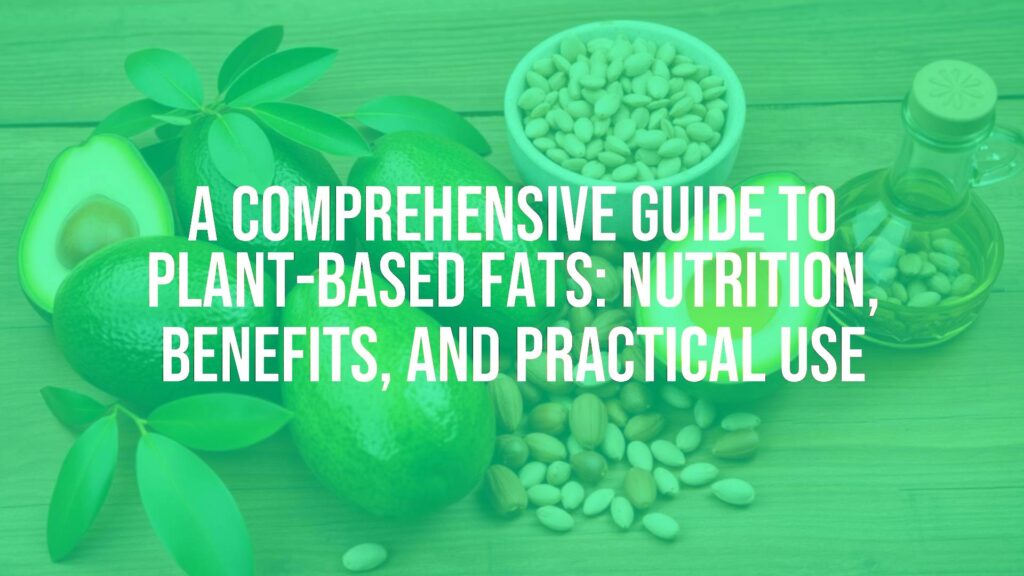
Introducing Plant-Based Fats
Plant-based fats are becoming increasingly popular among individuals looking to improve their health, make environmentally conscious choices, or diversify their nutrition. These fats, derived from a variety of plant sources, offer numerous advantages over animal-based options, including essential nutrients and healthier fat profiles. This article explores what plant-based fats are, their key sources, health benefits, environmental impact, and practical tips for adding them to your daily meals.
Defining Plant-Based Fats: What Are They?
Plant-based fats refer to dietary oils and fats that come exclusively from plant sources. Unlike fats derived from animal products (such as butter or lard), plant-based fats are extracted from nuts, seeds, fruits, and certain vegetables. They include both visible oils (like olive oil) and the naturally occurring fats found within whole foods (like avocados or almonds). These fats can be consumed in their whole-food form or as part of minimally processed plant oils.
Primary Sources of Plant-Based Fats
A wide range of plant foods provide healthy fats. Common sources include:
- Avocados: Known for their creamy texture and high monounsaturated fat content.
- Olives and Olive Oil: Rich in heart-healthy monounsaturated fats and antioxidants.
- Nuts: Almonds, walnuts, cashews, pistachios, and macadamias offer a mix of unsaturated fats along with fiber and protein.
- Seeds: Chia, flax, hemp, pumpkin, and sunflower seeds provide omega-3 fatty acids and other beneficial nutrients.
- Coconut: Provides saturated fat in the form of medium-chain triglycerides (MCTs), though best consumed in moderation.
- Plant-based oils: Such as canola, sunflower, grapeseed, and sesame oil are widely used for cooking and dressings.
Nutritional Value and Health Advantages of Plant-Based Fats
Plant-based fats are primarily composed of unsaturated fats, including monounsaturated and polyunsaturated fatty acids. These types of fats are associated with heart health and can support optimal cholesterol levels. Key nutritional and health benefits include:
- Essential Fatty Acids: Sources like flaxseed and walnuts are excellent for omega-3s, vital for brain and heart health.
- Antioxidants and Phytochemicals: Foods like olives, nuts, and seeds supply antioxidants that help reduce inflammation and oxidative stress.
- Fat-Soluble Vitamins: Many plant sources are rich in vitamin E and other micronutrients that support skin, eye, and immune health.
- Cholesterol-Free: Being plant-derived, these fats do not contribute any cholesterol to the diet, supporting cardiovascular wellness when used in place of animal fats.
- Gut Health: Whole forms of plant-based fats offer fiber, which promotes healthy digestion and beneficial gut bacteria.
Environmental and Ethical Impact
Opting for plant-based fats supports sustainability in several ways. Producing and harvesting plant fats such as olives, avocados, and seeds generally requires less land, water, and produces fewer greenhouse gases compared to animal-based fat production. Additionally, the ethical considerations around avoiding animal exploitation or reducing one’s carbon footprint add further incentive for choosing plant-derived fats in a modern diet.
How to Add Plant-Based Fats to Your Diet
There are many delicious and versatile ways to increase your intake of plant-based fats:
- Salads and Bowls: Top off salads with a handful of toasted nuts or a drizzle of extra virgin olive oil for rich flavor and satiety.
- Smoothies: Blend avocado, chia seeds, hemp seeds, or nut butters into smoothies for creamy texture and nourishment.
- Spreads and Dips: Use natural peanut or almond butter on whole grain toast, or try guacamole with sliced veggies.
- Baking: Substitute butter with mashed avocado or use plant oils in muffins and quick breads for improved fat quality.
- Cooking: Sauté vegetables in olive, avocado, or grapeseed oil for a boost of healthy fats and flavor.
What to Look for When Choosing Plant-Based Fats
Selecting high-quality plant-based fats is important to maximize their health benefits. Consider these tips while shopping:
- Minimal Processing: Choose virgin or cold-pressed oils over heavily refined options to retain more nutrients.
- Whole Foods First: Whenever possible, prioritize whole nuts, seeds, or avocados over oils for added fiber and nutrients.
- Avoid Added Sugars & Preservatives: Read ingredient lists and opt for products with minimal additives.
- Check for Freshness: Fats can become rancid; store oils in cool, dark places, and consume nuts and seeds before they go stale.
- Balance Types of Fats: Aim for a variety of unsaturated fats and good sources of omega-3s in your weekly intake.
Frequently Asked Questions About Plant-Based Fats
Are all plant-based fats healthy?
Most whole food and minimally processed plant-based fats are beneficial when eaten in moderation. However, overconsumption of highly processed oils or coconut oil (due to its saturated fat content) should be limited.
How do plant-based fats compare to animal fats?
Plant-based fats generally offer more unsaturated fats and are free from cholesterol, making them better for heart health. Animal fats are typically higher in saturated fats, which should be consumed sparingly according to nutrition guidelines.
Should I avoid all saturated fats from plants?
Not necessarily. Some, like those in coconut oil, can be part of a healthy pattern if consumed occasionally, but unsaturated plant-based fats should be the focus for optimal benefits.
Can plant-based fats help with weight management?
In reasonable amounts, plant-based fats can promote satiety and help control cravings, supporting healthy weight management as part of a balanced diet.
Summary: Embracing Plant-Based Fats
Plant-based fats offer a delicious and nutrient-rich way to support your health, care for the environment, and diversify your meals. By integrating a variety of these fats through whole foods and mindful oil selection, you can enjoy better heart health, enhanced flavor, and contribute to a more sustainable future. Experiment with different sources and enjoy the benefits plant-based fats bring to your table.
