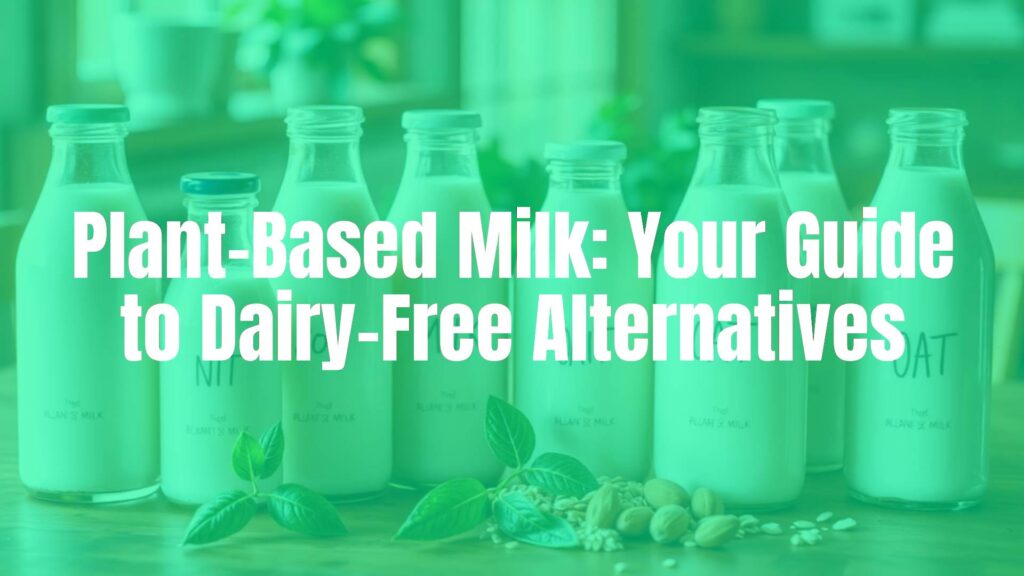
Exploring Plant-Based Milk: A Modern Dairy Alternative
Plant-based milk has rapidly garnered attention among health-conscious individuals, environmentally minded eaters, and anyone seeking variety or alternatives to traditional dairy. These non-dairy beverages offer versatile options for those who are lactose intolerant, vegan, or simply interested in reducing their consumption of animal products. In this article, you’ll discover what makes plant-based milks unique, their key sources, nutritional strengths, sustainability impacts, and how to integrate them into your lifestyle.
Understanding Plant-Based Milk: What Is It?
Plant-based milk refers to any beverage that is made by blending water with plant materials—such as nuts, seeds, legumes, or grains—and then straining the mixture to create a smooth, milk-like liquid. Unlike animal-based milk from cows, goats, or sheep, plant-based varieties are entirely derived from plants. These milks are naturally free of lactose and cholesterol, and come in an assortment of flavors and nutritional profiles, depending on their ingredient base.
Main Types and Sources of Plant-Based Milk
The diversity of plant-based milks is one of their strengths. Here are some of the most common types:
- Almond Milk: Light and subtly nutty, almond milk is one of the most popular varieties for everyday use.
- Soy Milk: Made from whole soybeans, it’s known for its creamy texture and impressive protein content—closest to dairy milk nutritionally.
- Oat Milk: Mildly sweet and naturally thicker, oat milk is favored for its creaminess in coffee and baking.
- Coconut Milk (beverage): Distinctly tropical in flavor, this version (not the canned kind used for cooking) is diluted for direct drinking or pouring over cereal.
- Rice Milk: Slightly sweet and thin, rice milk is often selected by those with nut or soy allergies.
- Cashew, Hemp, Macadamia, and Pea Milk: These less-common options cater to varied flavor preferences and dietary needs—with pea milk standing out for its higher protein.
Nutritional Value and Health Benefits of Plant-Based Milks
The nutrition found in plant-based milks depends significantly on their main ingredient and whether they are fortified. Some common elements include:
- Macronutrients: Soy and pea milk provide notable protein, while almond, coconut, and rice tend to be lower in protein but may contain healthy fats or carbohydrates.
- Micronutrients: Many brands fortify their beverages with calcium, vitamin D, B12, and sometimes vitamin A to bring their nutritional profile closer to that of cow’s milk.
- Cholesterol-Free: Being plant-based, these milks contain no dietary cholesterol and are typically low in saturated fats (coconut milk being an exception).
- Dairy-Free and Lactose-Free: Ideal for those with lactose intolerance or dairy allergies.
- Phytonutrients and Fiber: Certain options (like oat and hemp milk) may provide beneficial plant compounds and small amounts of fiber.
Health-wise, choosing unsweetened or minimally processed plant-based milks can support heart health, provide hydration, and contribute to a diet that is low in saturated fats and rich in diverse nutrients. Furthermore, they align well with various dietary preferences, including vegan, vegetarian, and flexitarian patterns.
Environmental and Ethical Considerations
Opting for plant-based milk is often seen as a more sustainable and ethical choice. Compared to dairy milk production, most plant-based alternatives require less water, produce fewer greenhouse gas emissions, and utilize less land. For example, oat and soy milks tend to have a particularly low environmental footprint. Additionally, because these drinks are made without animal agriculture, they support animal welfare and can appeal to consumers mindful of ethical concerns.
Simple Ways to Enjoy Plant-Based Milk
Incorporating plant-based milk into your daily routine can be both seamless and enjoyable. Here are a few ideas:
- Pour over breakfast cereals, granolas, or oatmeal for a dairy-free start to your day.
- Blend into smoothies and shakes for a creamy, plant-powered beverage base.
- Use as a substitute for dairy in coffee, lattes, or matcha—oat and soy milks are favorites for frothing.
- Swap into baking or cooking anywhere milk is required, such as pancakes, muffins, or savory sauces.
- Chill and enjoy as a standalone drink, with flavored or unsweetened varieties offering unique experiences.
Selecting Quality Plant-Based Milks: Tips for Shoppers
When choosing plant-based milk, keep these factors in mind:
- Check for Fortification: Opt for brands fortified with calcium, vitamin D, and B12 if you use plant-based milk as your primary milk source.
- Read the Ingredient List: Favor products with short, simple ingredient lists. Limit varieties with added sugars, thickeners (like gums or carrageenan), and artificial flavors.
- Unsweetened Options: Choose unsweetened versions if you are watching sugar intake or plan to use milk in savory dishes.
- Allergen Awareness: Soy, nut, and gluten sensitivities should guide your selection—rice, oat, or pea-based milks may be suitable.
- Packaging and Sustainability: If possible, select products with eco-friendly packaging or from brands committed to reducing waste.
Frequently Asked Questions About Plant-Based Milk
Is plant-based milk suitable for children?
Some varieties (like fortified soy or pea milk) may be appropriate for children, but always consult a pediatrician before introducing as a main milk source, as nutritional needs vary with age.
Does plant-based milk froth well for coffee?
Oat and barista-specific soy milks typically froth best due to their protein and fat content, making them popular in cafés.
Are all plant-based milks gluten-free?
Most are, but oat milk can sometimes contain gluten if made from non-certified oats. Always check labels if you require gluten-free options.
Is plant-based milk environmentally friendly?
Generally, these milks have a smaller environmental footprint compared to dairy, though water and land use varies by type (for instance, almond milk requires more water than oat or soy milk).
Wrap-Up: The Value of Plant-Based Milk
Plant-based milks present a delicious and flexible approach to enjoying milk-like beverages while supporting healthful, sustainable, and ethical food choices. Whether you’re swapping a splash in your coffee or making it your go-to for cereal and smoothies, there’s a plant-based option for every taste and need. Take the opportunity to explore different varieties and brands to find those that match your nutritional goals and values best.
