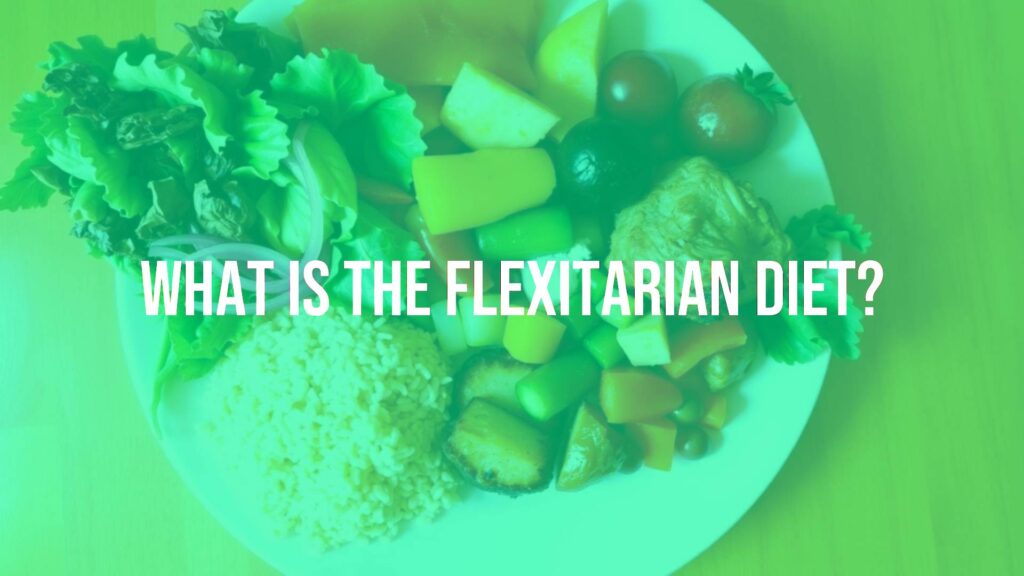
The flexitarian diet is a way of eating that mainly focuses on plant-based foods but still allows for meat and other animal products from time to time. Unlike strict diets that have tight rules on what you must or must not eat, the flexitarian diet gives you the freedom to eat mostly plants but doesn’t ban animal products completely. It is often described as a balance between vegetarian and vegan diets and a regular omnivore diet. This flexible approach is likely why it ranks high in many healthy eating lists, including the U.S. News Best Diet Rankings, where it’s listed just below the Mediterranean diet. The diet is popular because it’s easy to follow, good for your health, and doesn’t require counting calories or sticking to tough limits.
The name “flexitarian” comes from combining “flexible” and “vegetarian.” The idea was created by dietitian Dawn Jackson Blatner, who wanted a way for people to enjoy the health benefits of a mostly plant-based diet without having to fully give up meat, fish, or dairy. The focus is more on what to include-like plenty of fruits, vegetables, whole grains, and beans-rather than what to cut out. Because of this, switching to a flexitarian diet can feel like a chance to try more foods, not less.

Understanding the Flexitarian Diet
At its core, the flexitarian diet is about eating less meat and more plants. You don’t have to stop eating meat, but you try to choose it less often and fill your meals with plant foods instead. This makes the diet a good choice for people who find giving up meat too difficult or simply not appealing.
The diet has become well-liked because you can make it fit your own needs and tastes. Instead of a one-size-fits-all method, you decide how much meat to eat and when to eat it. This makes it easier for people at different stages-whether new to plant-based eating or already eating mostly plants-to join in and keep going long term.
How the Flexitarian Diet Works
The basic idea is simple: eat mostly plants, but let yourself have meat in small amounts when you want. Fill your plate with vegetables, fruits, whole grains, and beans, while keeping meat as a smaller part of your meals. There are no strict calorie limits or food charts to follow, so you can listen to your own hunger and eat more naturally. Dietitian Kate Patton points out that cutting down on meat is the core idea, but you choose how much to cut out, so it works for many different people.
Main Principles and Steps
The flexitarian diet is based on a few main ideas:
- Eat mostly fruits, vegetables, beans, and whole grains
- Use plant-based protein as your main source
- Include meat and animal products sometimes
- Pick less processed, more natural foods
- Limit sugars and sweets
If you want to make this change step-by-step, you can follow three stages:
| Stage | How Many Meatless Days/Week | Max Meat Amount/Week |
|---|---|---|
| Stage 1 | 2 | 28 ounces (about 3 ounces/serving) |
| Stage 2 | 3-4 | 18 ounces |
| Stage 3 | 5 | 9 ounces |
Taking small steps makes the changes easier and helps you keep going long term.
Difference from Vegetarian and Vegan Diets
Knowing how this diet compares to vegetarian and vegan diets can help:
| Diet | Main Rules |
|---|---|
| Flexitarian | Mainly plant foods, some meat or animal products allowed |
| Vegetarian | No meat, poultry, or fish (some eat eggs and dairy) |
| Vegan | No animal products at all, including dairy, eggs, and usually honey |
Flexitarian eating stands out because it doesn’t require you to completely stop eating meat. This middle path is part of what makes it easier for many people to stick with.
Why Choose a Flexitarian Diet?
There are several common reasons:
- Flexibility: Many like that they don’t have to give up favorite foods or miss out during social meals.
- Health benefits: It can improve heart health, help with weight, reduce risk of diabetes, and may even lower chances of cancer thanks to more plant food.
- Environment: Eating less meat helps lower your carbon footprint and uses fewer natural resources.
- Ethics: For those wanting to support animal welfare but not ready for a full vegetarian or vegan diet.
What Foods Are Part of a Flexitarian Diet?
This diet focuses on a variety of wholesome, mainly plant-based foods but doesn’t require strict rules:
Foods to Eat Most Often
- Fruits: Apples, oranges, berries, grapes, and more
- Vegetables: Both leafy greens and starchy types like carrots or sweet potatoes
- Plant Proteins: Beans, lentils, chickpeas, tofu, edamame
- Whole Grains: Brown rice, oats, quinoa, barley
- Nuts/Seeds/Healthy Fats: Almonds, flaxseed, chia seeds, peanut butter, avocado
- Milk Substitutes: Unsweetened almond, coconut, hemp, or soy milk
- Eggs and Dairy: Eggs, cheese, yogurt (or non-dairy alternatives)
- Oils, Herbs, Spices: Choose healthy oils and use herbs and spices to season food
- Beverages: Water, tea, and coffee (limit sugary drinks)

It’s best to choose foods in their least processed forms to get the most nutrition.
Animal Products to Include Occasionally
- Lean meats like chicken or turkey
- Beef, preferably grass-fed if possible
- Eggs (ideally free-range)
- Dairy in small amounts, such as yogurt or cheese
- Fish and seafood, focusing on wild-caught options
People usually aim to limit animal products to about 9-28 ounces per week, adjusting to personal goals.
Foods to Eat Less Often
- Processed meats (bacon, sausage, lunch meats)
- Refined grains and baked goods (white bread, bagels, croissants)
- Foods with added sugars (soda, cakes, cookies, candy)
- Fast food and deep-fried snacks
Minimizing these items helps keep the diet healthy and plant-focused.
Health Benefits of the Flexitarian Diet
Eating mostly plants and less meat can help your health in several ways:
- Better Heart Health: Diets rich in fruits, vegetables, and whole grains are linked with lower blood pressure and cholesterol. Studies show people who eat more plants and less meat have fewer heart problems.
- Helps with Weight: Because plant foods are often lower in calories and high in fiber, you can feel full while eating less. Research shows plant-based eaters usually lose more weight than those who eat more meat.
- Lower Risk of Diabetes: Diets high in plant foods help regulate blood sugar and may reduce the risk of Type 2 diabetes. Eating more healthy plant foods and fewer animal products makes a clear difference, according to large studies.
- Possible Lower Cancer Risk: Eating lots of plants has been tied to lower chances of some cancers, including colorectal cancer. Avoiding processed meats helps too.
- Improved Diet Quality: Following a flexitarian diet naturally boosts your intake of important nutrients like fiber, vitamins, and minerals.

These benefits are most likely if the diet focuses on whole, unprocessed foods and doesn’t just cut meat while eating more refined or sugary products instead.
Possible Downsides and Challenges
Any change in eating habits has its challenges. Here are things to watch for:
Potential Nutrient Shortfalls
When you reduce animal foods, you need to make sure you still get key nutrients:
- Vitamin B12: Mostly found in animal products. If you eat very little animal food, you may need B12-fortified foods or a supplement.
- Iron: Meat has a form of iron that’s easier to absorb. Eat plenty of iron-rich plant foods and pair them with vitamin C sources for better absorption.
- Zinc: Also mainly from meat, but available in beans, nuts, and whole grains.
- Calcium: If you cut back dairy, use plant milks or eat leafy greens/tofu for calcium.
- Omega-3 Fats: Get these from fish, walnuts, flaxseed, or consider an algae-based supplement if you don’t eat much fish.
Keeping a Balanced Diet
Flexibility is great, but it can make it easy to slip into poor habits (like eating too many processed foods). Make sure you replace meat with a wide range of plant foods, especially protein sources like beans and tofu, and be aware of your body’s response if you add a lot of fiber quickly.
Flexitarian Diet and the Environment
Eating less meat isn’t just good for you-it’s also better for the planet. Meat production uses a lot of land and water and creates more greenhouse gases compared to plant farming.
- Lower carbon emissions: Research shows that even small changes, like a flexitarian diet, can cut greenhouse gas emissions by 7%.
- Less resource use: Plant-based foods use less land and water.
- Helps conserve nature: Cutting back on meat supports more sustainable food systems.

Shifting even slightly toward plant-based eating makes a difference, especially if many people do it.
Simple Tips for Starting the Flexitarian Diet
You don’t need to make huge changes all at once. Try these steps:
- Start slow: Pick one or two days each week to eat plant-based meals only.
- Swap out ingredients: Use beans instead of beef, or make a veggie stir-fry instead of chicken.
- Look for plant proteins: Fill meals with beans, lentils, tofu, tempeh, and nuts.
- Try new dishes: Explore recipes from different cultures that use lots of grains and vegetables.
- Reduce meat gradually: If helpful, follow the stepped approach (28 oz meat max per week, then 18, finally 9, as detailed above).
Using store-bought plant-based products at first, like bean burgers or lentil soups, can help you get used to new flavors and meals.
Meal Planning Tips
- Plan your meals ahead of time so you have the right foods on hand
- Cook grains and beans in batches to make meals easier during busy times
- Try different recipes to keep things interesting
- Use herbs, spices, and healthy oils to boost flavor
- Balance your plate-aim for protein, carbs, healthy fats, and vegetables
- Have snacks ready, like fruit, nut butter, or veggie sticks with hummus
Staying Balanced Nutritionally
- Pick whole, unprocessed foods when possible
- Eat a range of plant proteins every day
- Choose fortified foods or supplements if you cut down on dairy or animal foods
- Pair iron-rich plants with vitamin C foods to improve absorption
- Include plant sources of healthy fats (flax, chia, walnuts), and fish if you like
- Listen to your body; adjust as needed if you feel low in energy
- See a dietitian if you’re unsure about your nutrition needs or have special health issues
Is the Flexitarian Diet Right for You?
Whether this diet is a good fit depends on your personal goals, medical conditions, and likes or dislikes.
Who May Benefit
- Current meat eaters wanting to cut back for health, environmental, or ethical reasons
- Those wanting a gentler way to move toward more plant-based eating
- People concerned about the planet but not ready to stop eating animals completely
- Anyone looking for a healthy diet without lots of rules or restrictions
- Individuals with digestive issues who need some flexibility picking plant foods
The flexitarian diet works best for people who want a healthier way of eating and more variety, without strict limits.
When to Seek Professional Advice
- If you have a medical condition (like diabetes, heart or kidney disease, IBS, or Crohn’s)
- If you worry about poor nutrition, like not getting enough B12, iron, calcium, or omega-3s
- During pregnancy, breastfeeding, or for children/teens
- If you notice unusual symptoms (like tiredness or big weight changes)
- If you’re finding it tough to balance meals or stick with the plan
- If you are an athlete or have high energy needs
- If you have a specific weight-loss or gain goal
A registered dietitian can help you work out the details, answer your questions, and make sure the diet fits your health needs.
The flexitarian diet gives a practical way to eat healthier, try new foods, and help the environment, without having to give up foods you enjoy. By focusing on eating more plants and less meat in a way that works for you, it’s a realistic approach many find easy to stick with for years to come.