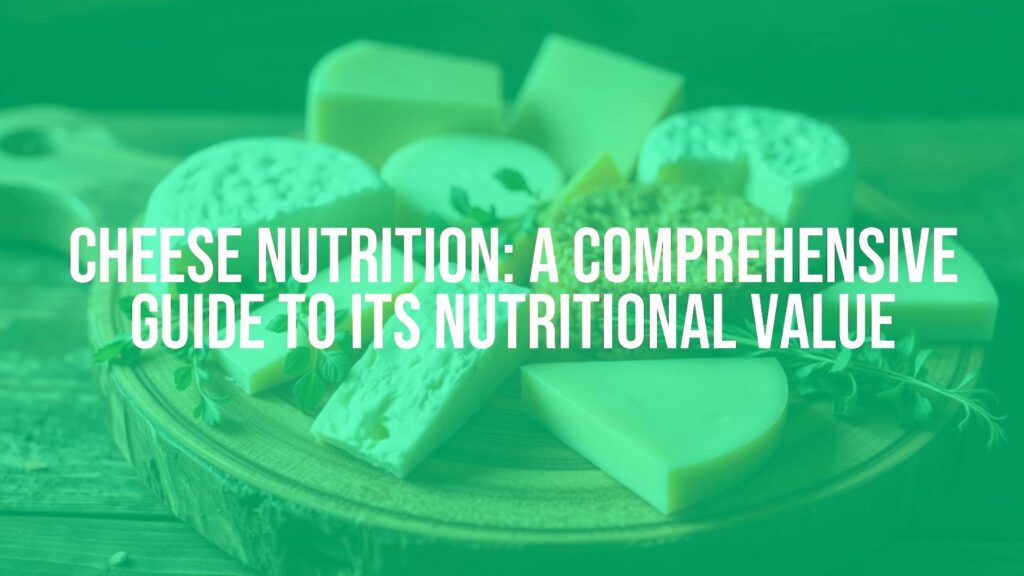
Exploring the Nutritional Value of Cheese
Cheese is a well-loved dairy product enjoyed worldwide, not only for its versatility and flavor but also for its nutritional attributes. As a concentrated source of essential nutrients, cheese frequently raises questions about its health impact—especially regarding its protein, fat, and calcium content. This article delves into the nutrient profile of cheese, its associated health benefits, and practical ways to enjoy it as part of a balanced diet.
Nutritional Breakdown of Cheese (Per Serving)
The nutritional composition of cheese may vary depending on the type (such as cheddar, mozzarella, or feta), but most semi-hard and hard cheeses share a generally similar profile. Here, we summarize the typical nutrients found in a 1-ounce (28-gram) serving of cheddar cheese as a reference.
Macronutrients
Carbohydrates: Cheese contains minimal carbohydrates, generally less than 1 gram per serving, because the fermentation process converts most milk sugar (lactose) into lactic acid. The low carb content makes cheese suitable for low-carb and ketogenic diets.
Protein: Cheese is a rich source of high-quality protein, with about 6–7 grams per ounce. Its proteins provide all essential amino acids necessary for muscle repair and overall health.
Fat: Most cheeses are relatively high in fat, usually providing 8–10 grams per ounce. The fat in cheese is primarily saturated, but some types also contain beneficial monounsaturated fats. Cheese also supplies small amounts of conjugated linoleic acid (CLA), a unique fatty acid linked to health benefits.
Vitamins and Minerals
- Calcium: Cheese is famed for its high calcium content—an ounce offers about 200 mg—which is essential for bone strength and dental health.
- Vitamin B12: High in vitamin B12, cheese supports nerve function and red blood cell production.
- Phosphorus: Contributes to bone maintenance and energy metabolism.
- Vitamin A: Supports vision and immune health.
- Zinc: Aids in immune function and wound healing.
Other Valuable Compounds
Certain cheeses, especially those aged or fermented (like blue cheese or gouda), contain probiotics that promote gut health by supporting the beneficial bacteria in your digestive system. Additionally, cheese contains bioactive peptides, which may have antioxidant and anti-inflammatory properties.
Health Benefits of Cheese
Including cheese in your diet can yield several health benefits, linking back to its nutrient density:
- Bone Strength: The powerful combination of calcium, phosphorus, and protein in cheese supports healthy bones and teeth, making it particularly valuable for growing children and older adults.
- Muscle Growth and Repair: Complete proteins in cheese aid in muscle maintenance and bodily repair.
- Energy and Satiety: The fat and protein content in cheese promote prolonged satiety, which can help manage appetite and energy levels throughout the day.
- Metabolic Support: B vitamins, especially B12 and riboflavin, are key for supporting energy production and nervous system function.
- Gut Health: Some cheeses offer beneficial probiotics that may improve digestion and boost immune health.
Easy Ways to Add Cheese to Your Diet
Looking for inspiration on how to enjoy cheese beyond the usual sandwich? Here are some creative ideas:
- Sprinkle shredded cheese on top of soups or whole grain salads for added flavor and nutrition.
- Include thin cheese slices with fresh fruit or whole-grain crackers as a nourishing snack.
- Mix crumbled feta or goat cheese into vegetable dishes for extra creaminess and taste.
- Use grated Parmesan on steamed veggies or pasta to enhance taste without using much cheese.
- Add cubes of hard cheese to a homemade trail mix for a source of portable protein.
Tips for Selecting and Storing Cheese
When purchasing cheese, opt for varieties without artificial additives or excessive sodium whenever possible. Choose cheese with a natural rind or those made from simple, whole ingredients to maximize health benefits. To maintain freshness, store cheese tightly wrapped in parchment or wax paper, then place it in a resealable bag in the refrigerator. Soft cheeses should be kept in airtight containers. Avoid freezing cheese, as this can change its texture.
Considerations and Possible Interactions
Cheese is generally well tolerated, but there are a few considerations:
- Lactose Intolerance: Most aged cheeses are low in lactose and better tolerated, but fresh, soft cheeses may cause discomfort in sensitive individuals.
- Allergies: Those with dairy allergy should strictly avoid cheese.
- Sodium Content: Some cheeses are high in salt, so monitor portion sizes if you are watching your sodium intake or have high blood pressure.
- Caloric Density: Cheese is energy-rich. Enjoy moderate portions to avoid excess calorie intake if you are managing your weight.
- Medications: Aged cheeses can interact with certain medications (like MAO inhibitors) due to their tyramine content. Consult your healthcare provider if you take such medications.
Frequently Asked Questions About Cheese Nutrition
Is cheese a good protein source?
Yes, cheese provides complete protein with all essential amino acids, making it a valuable option for vegetarians and protein needs.
Does cheese have a lot of calcium?
Cheese is among the best dietary sources of calcium, crucial for bone health.
Can I eat cheese if I am lactose intolerant?
Most hard, aged cheeses are low in lactose and easier to digest for many people with lactose intolerance.
Is all fat in cheese unhealthy?
While cheese is high in saturated fat, it also contains beneficial fats and nutrients. Consumed in moderation, it can be part of a balanced diet.
What is the healthiest type of cheese?
Cheeses like feta, cottage, mozzarella, or part-skim varieties tend to be lower in fat and sodium compared to aged, hard cheeses.
In Summary
Cheese packs a wealth of nutrients into a small serving, including calcium, protein, vitamins, and beneficial compounds. While its rich flavor and versatility add value to meals and snacks alike, enjoying cheese in moderation can help you reap its nutrition benefits. Remember to select high-quality, minimally processed varieties and tailor your choices to your health needs, making cheese a rewarding part of your healthy eating plan.
